Navigating Contract Billing Complexity in Construction Equipment Rentals: The Tools You Actually Need


Contract billing in construction equipment rental is one of the most dynamic parts of the business. Every contract carries its own timeline, usage patterns, and project-specific requirements, and the best operations turn that complexity into a competitive advantage. Rate structures, extensions, fuel charges, damage waivers, and custom terms are the normal texture of a healthy, growing rental book. The opportunity is in having a system that handles all of it cleanly, keeping cash flow strong and your team focused on the next deal rather than the last invoice.
At RUX, we’ve seen the challenges equipment rental leaders like you encounter in contract billing. Let’s walk through the tools and software that modern rental managers are using to take control of contract billing and turn it into a competitive advantage.
Why contract billing can get so complicated.
Construction billing is inherently layered. Contracts often include variable rates, milestone billing, and change orders that must be tracked precisely to avoid disputes or delays.
In equipment rentals, that complexity can multiply quickly. Billing cycles can vary across daily, weekly, and monthly structures, while usage-based charges such as meter readings or overtime add another layer of variability. Contracts rarely stay static, with mid-rental changes, extensions, and amendments being the norm rather than the exception. On top of that, teams must account for delivery, pickup, and standby charges, often across multiple job sites or cost codes within the same project.
Teams often fall back on spreadsheets or disconnected tools without the right systems in place. This often leads to human errors, missed charges, and delayed invoicing, all of which directly impact cash flow and customer trust.
Let’s look at some solutions that will help your rental operation improve contract billing practices long term.
1. Purpose-built rental management software.
The foundation of successful modern billing is purpose-built rental software rather than using generic ERP systems or spreadsheets.
Rental contracts are dynamic by nature. Equipment moves between sites, rates can change based on duration or usage, and project needs evolve constantly. Purpose-built systems are designed to handle this kind of fluidity. They allow your teams to manage flexible rental durations ranging from hourly to long-term agreements, while also applying complex pricing rules automatically. At the same time, they track equipment availability and usage in real time and connect contract data directly to billing workflows.
This alignment between contract terms and actual usage is critical. When software handles these relationships automatically, your invoices reflect reality rather than relying on manual data entry after the fact.
2. Automated billing and invoicing engines.
Manual invoicing remains one of the biggest bottlenecks in equipment rental operations, especially as contract complexity increases.
When your team relies on random spreadsheets or manual calculations, delays are almost inevitable. Invoices are sent late, billable items are often missed, and inconsistencies can lead to disputes with customers that can erode trust over time.
Automated billing engines address these challenges by generating your invoices directly from contract terms and actual usage data. They will automatically apply prorated rates when equipment is returned early, account for extensions without manual intervention, and support recurring or milestone-based billing structures. This level of automation is particularly valuable for complex contracts where even small errors can have significant financial consequences for your operation.
3. Contract management with flexible pricing logic.
Not all rental agreements follow the same structure, which is why flexibility in contract management is essential.
A modern rental system allows you to define sophisticated pricing logic that reflects real-world agreements. This includes tiered pricing models that adjust based on duration or usage, as well as best-rate calculations that ensure your customers are billed fairly while maximizing revenue. They also support project-based billing structures and can incorporate standby, idle, and overtime rates directly into the contract.
Equally important is the ability to handle contract amendments and change orders seamlessly. Instead of managing exceptions outside the system, your team can update contracts within the platform and trust that billing will adjust accordingly. This reduces reliance on manual workarounds and ensures consistency across all agreements.
4. Real-time equipment and usage tracking.
Billing accuracy always starts in the field, not in the back office.
Without clear visibility into when your equipment was delivered to a customer, how long it was used, when it was returned, and whether it was actively working or sitting idle, billing becomes reactive and prone to errors. Teams are left piecing together information after the fact, which increases the likelihood of missed or incorrect charges.
Real-time tracking tools solve this challenge by providing live visibility into equipment status across multiple job sites. They capture accurate usage data for you and tie it directly to billing contracts, while also highlighting delays, downtime, and extensions as they happen. This ensures that every billable event is recorded and reflected in the final invoice, eliminating guesswork and improving accuracy.
5. Integrated maintenance and service tracking.
Equipment maintenance is often overlooked in billing conversations, but it plays a critical role in ensuring accuracy.
When your equipment goes down for service, important billing questions may arise. Should the customer continue to be billed at the full rate, or does the contract specify a standby or reduced rate? Is a replacement unit required, and how should that be handled within the agreement?
Rental systems that integrate maintenance and service tracking with contract billing will provide clear answers to these questions. They connect equipment service events directly to your contracts, ensuring that downtime is accounted for properly and that billing aligns with agreed terms. This not only improves accuracy but also strengthens your customer relationships by reducing disputes and increasing transparency.
6. Financial and operational dashboards.
Contract billing is not just about generating invoices for rented equipment. It is also about understanding how your business is performing.
As a rental manager, you need clear visibility into key metrics such as revenue by asset, project, and customer, as well as utilization rates and billing cycle times. It is also important to be able to track dispute frequency and identify patterns that may point to underlying process issues.
Advanced dashboards bring all this information together into a single view. They transform your raw data into actionable insights, helping you identify where potential revenue may be leaking and where process improvements can be made. Without this level of data visibility, your billing challenges can often remain hidden until they begin to impact cash flow.
7. Seamless integration with your ERP.
Even the most advanced equipment rental system will fall short if it operates in isolation from your financial platform.
Disconnected systems create unnecessary friction. Teams are forced to enter the same data multiple times, reconcile inconsistencies manually, and deal with delays in reporting. This will waste time and also increase the risk of more errors.
A fully integrated rental solution will ensure that your contract data, usage information, and invoices flow directly into your financial system. This supports accurate revenue recognition, streamlines reporting, and gives all your teams access to a single source of accurate data. As your rental business grows, this level of integration will become essential for maintaining efficiency and control.
Bringing it all together.
Contract billing complexity is always going to be a reality for construction equipment rental teams. Construction projects will always involve change, variability, and detailed agreements. The difference between struggling and scaling simply comes down to the software tools you use.
We have seen how the most successful equipment rental leaders are investing in systems that automate their billing processes from end to end, capture real-time usage and contract data, enforce pricing and contract rules consistently, and provide full visibility into both operations and financial performance.
When these capabilities come together, billing becomes faster, more accurate, and far less stressful.
Ready to simplify your contract billing?
If your team is still juggling multiple spreadsheets, manual invoices, or disconnected systems, it may be time for a better approach.
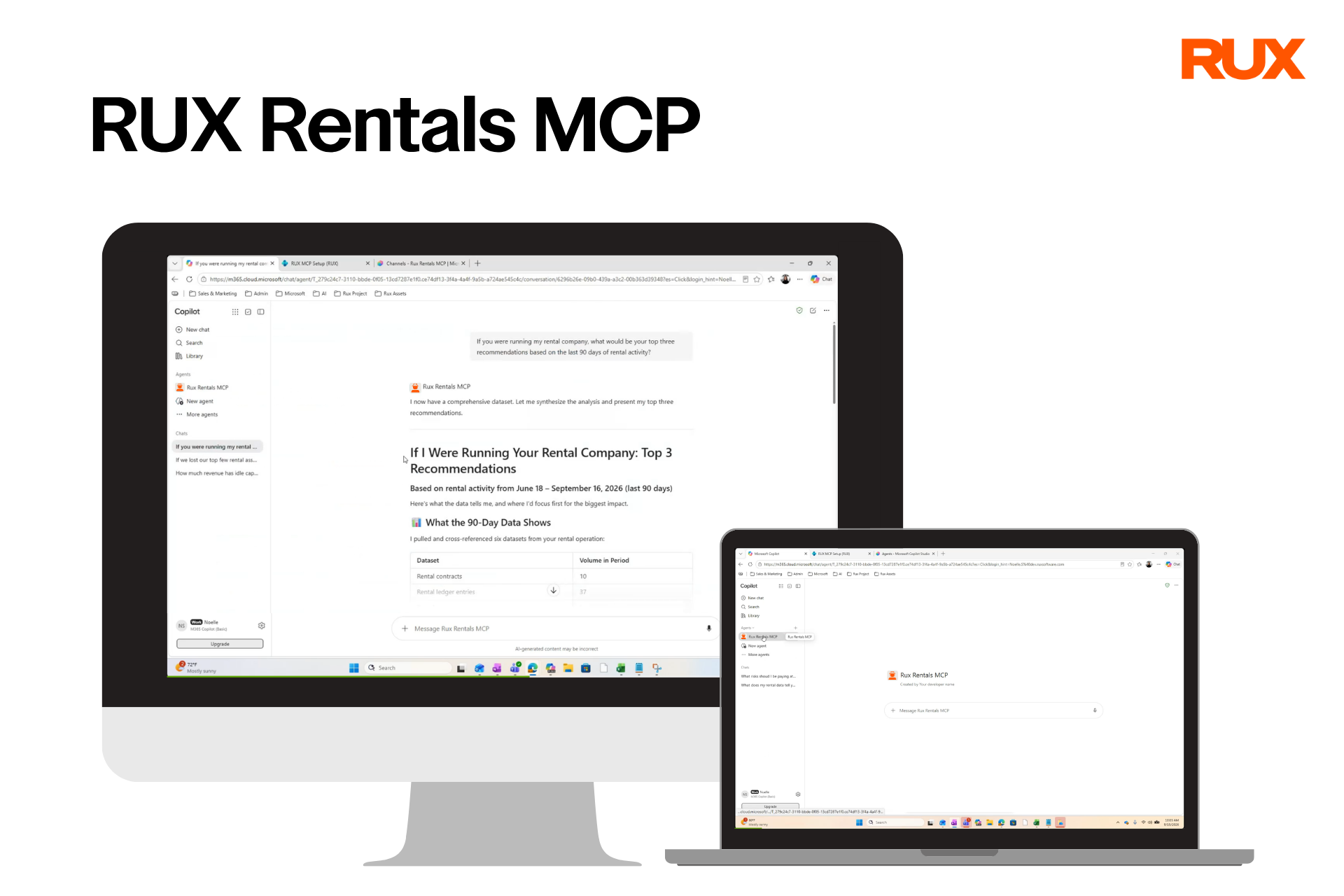
RUX Rentals for Microsoft Dynamics 365 Business Central is built specifically for the realities of construction equipment rental. From flexible contract billing to real-time visibility and automated invoicing, it brings clarity and control to even the most complex operations.
Contact us today to learn more about RUX Rentals and see how you can simplify billing, reduce errors, and accelerate cash flow across your entire equipment rental business.
*Check out this related article: Three Ways to Improve Your Billing Processes to Increase Equipment Rental Profitability



Ready to take control of your operations?
RUX engineered oil and gas field service software to fit your operation—no patches, no guesswork. Business Applications built and configured for the oilfield service industry, our software solutions give you clarity and control to move forward with confidence.