Plan for Next Summer Now to Avoid Another Summer of Equipment Rental Headaches with Outdated Business Software.
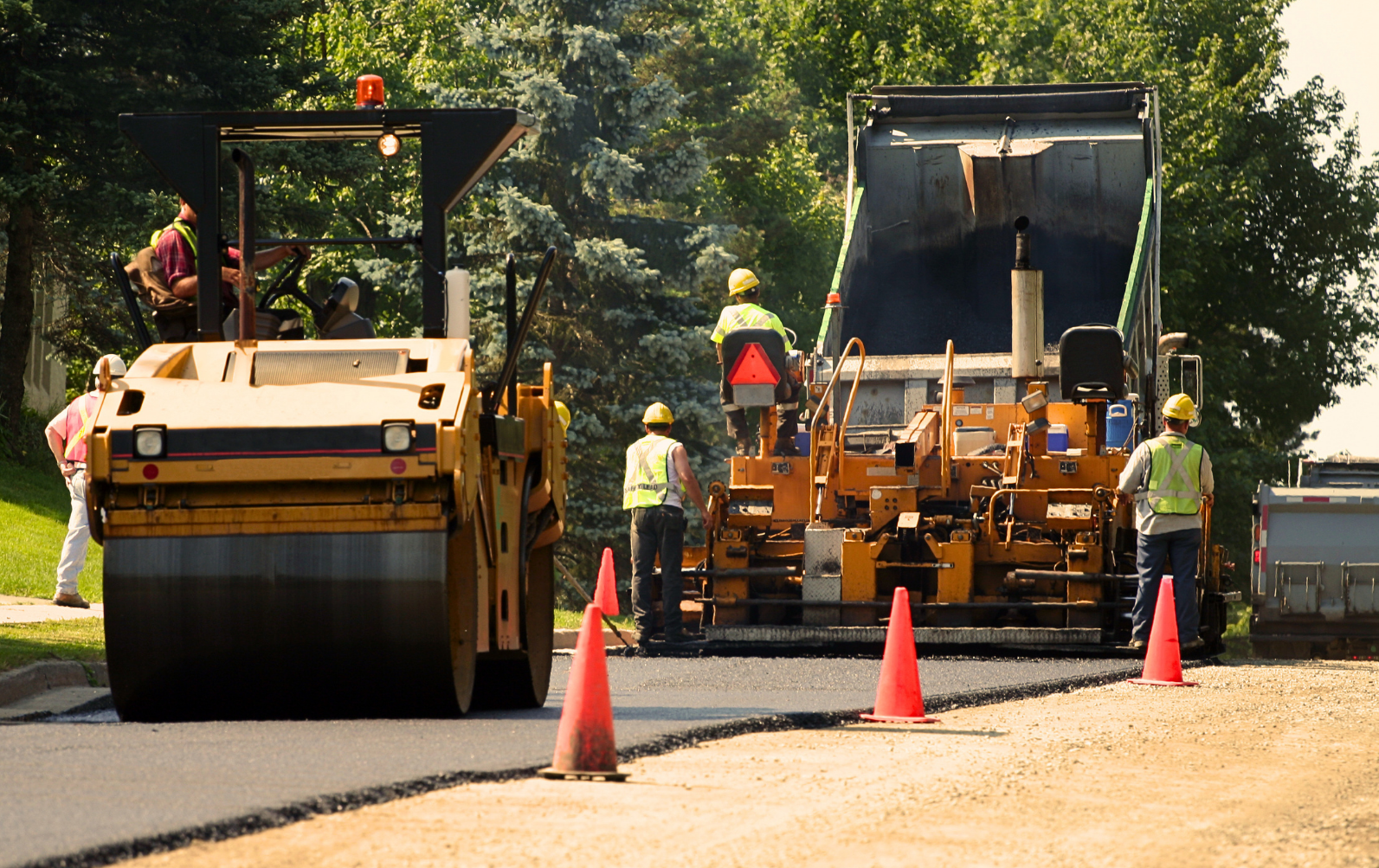

The national flower is in full bloom: the orange traffic cone.
Across Canada and the US, we joke that there are only two seasons: winter and construction. If you If you run a construction equipment rental business, that probably feels about right.
Busy season arrives fast, and you've got a short window to get a lot done. The yard empties out. The service bay fills up. Phones ring nonstop, deliveries get rearranged all day, and customers need equipment yesterday. Somewhere in the office, someone's updating a spreadsheet while someone else is tracking equipment with a whiteboard and a stack of sticky notes. Sound familiar?
Summer is when equipment rental companies do some of their best business. It's also when the gaps in outdated software tend to show up the most. We talk with rental companies all the time who don't realize how many manual workarounds they've built up until their busiest season arrives and puts everything to the test.
If this summer feels more stressful than successful, it may be time to start thinking about how next summer should look different.
Here's the encouraging part: needing new equipment rental software isn't a sign that something's gone wrong. It's a sign your business has grown past what your current tools were built for, and that's worth planning for.
Outgrowing your business software means your business is growing.
Basic accounting software, spreadsheets, whiteboards, and sticky notes all have one thing in common: they depend on manual work and on the knowledge that lives in your team's heads. That works fine at a smaller scale. As your fleet, customer base, and transaction volume grow, those manual processes take more time to manage, and small inefficiencies turn into daily friction, especially during your busiest months.
A few signs it might be time to look at new equipment rental software:
- Your team stays late reconciling inventory or hunting down paperwork
- Nobody's sure which spreadsheet has the most current information
- Dispatch doesn't always know where a piece of equipment actually is
- Technicians enter the same information into more than one system
- Reports that should take minutes take hours to pull together
Modern ERP systems were designed for exactly this stage of business growth. They bring together your financials, rental operations, inventory, service, purchasing, reporting, and customer information into a single system so your team can spend less time searching for answers and more time serving customers. As your business grows beyond your basic accounting software and disconnected systems, consolidating operations into one platform will help eliminate manual processes while improving your efficiency and productivity.
"Where do we even start?"
We’ve learned that for many rental companies, that's the hardest question.
Changing business software can feel like a huge undertaking. You may worry about disrupting operations, retraining employees, migrating years of data, and potentially making the wrong investment. These concerns are completely understandable.
Here’s a tip to get you started: start with a solid understanding of your business operations - document your workflows, identify where disconnects and bottlenecks are occurring – then identify equipment rental software and field service software that is designed for your industry.
Start with your biggest daily frustrations.
Before scheduling software demos or comparing vendors, spend some time documenting what's making this summer harder than it needs to be.
Pay attention to the incremental moments that create stress in your business processes. Maybe dispatch doesn't always know where equipment is. Perhaps invoices are delayed because paperwork arrives late. Maybe technicians are entering the same information into multiple systems, or your accounting team spends hours building reports that should take only minutes.
Talk to your team members who are doing the work every day. Dispatchers, yard staff, service technicians, accountants, and managers all experience different pain points. Their feedback will help you identify the operational improvements that are needed most.
This type of requirements gathering is one of the most valuable parts of any ERP project. It helps you clarify business goals, document essential requirements, and improve internal alignment long before implementation begins.
Focus on what your rental business really needs.
Every software demo looks impressive. However, the challenge isn't finding software with lots of features. It's finding the software that solves your specific day-to-day operational challenges. That means looking beyond standard accounting functionality and asking whether the system understands the specifics of an equipment rental operation.
Can it manage rental contracts and billing? Does it provide a visual of your real-time equipment availability? Can it coordinate deliveries, track maintenance, manage inspections, and give your team complete visibility into the most current facts about every asset?
Start by identifying the capabilities your business can't operate without. Once you understand those must-haves, it becomes much easier to compare software solutions and ignore flashy features that won't matter to your daily operations. The strongest business software evaluations begin by defining essential functionality first, then separating those requirements from features that would simply be nice to have.
Think about next summer, not just today.
Where will your rental business be in five years? Will your equipment fleet grow? Do you plan to expand into new locations? Perhaps you’ll need to hire more service technicians. Will your reporting needs become more sophisticated? The software you choose should be able to support those goals without requiring another major replacement a few years down the road.
Cloud-based platforms, like Microsoft Dynamics 365 Business Central, are designed to grow alongside your business. Combined with RUX Rentals, they provide equipment rental companies with the industry-specific functionality they need today while giving them the flexibility to continue growing tomorrow.
Choose a software partner who understands equipment rental.
A good implementation partner won't simply install software for you and walk away. They'll take the time to understand how your rental business operates, recommend better processes, provide training, and continue supporting your team long after go-live.
At RUX, we've spent decades working alongside equipment rental businesses across the world. Many of the enhancements we make to RUX Rentals come directly from customer feedback because the best ideas come from people using the system every day. That's one of the biggest advantages of choosing a partner who specializes in your industry.
Start planning while your observations are fresh.
A final piece of advice: Don't replace your software during your busiest season. Instead, use this summer as your research and analytics season. Write down every manual workaround your team’s had to develop. Keep track of every random spreadsheet your team relies on. Make note of the reports you wish you had instantly. Pay attention to the moments when your current system slows your team down instead of helping them move faster. These frustrations will become your roadmap to finding the right product to move to.
The equipment rental companies that enjoy a smoother busy construction season next year are the ones that start planning earlier. If your rental business has outgrown its patchwork of spreadsheets, whiteboards, sticky notes, or aging software, don't view it as a failure. It’s literally a sign that you are ready for the next stage of growth, and that's an exciting place to be!
Next summer is already being shaped by the decisions you make this summer. While your busiest season is revealing the cracks, it's also giving you the clearest roadmap for what your business needs next.
Let’s chat about the pain points your team is dealing with during this season. We can work together on preparing your business with the right software tools for next year!



.png)
Ready to take control of your operations?
RUX engineered oil and gas field service software to fit your operation—no patches, no guesswork. Business Applications built and configured for the oilfield service industry, our software solutions give you clarity and control to move forward with confidence.